
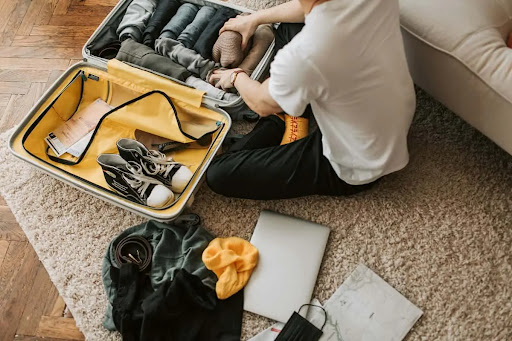
Traveling is one of life’s greatest joys, but packing can often turn the excitement of a trip into a stressful ordeal. From overpacking to forgetting essentials, many travelers face unnecessary anxiety before even leaving their homes. However, with the right strategies, packing can become an organized, even enjoyable, part of your travel experience. Here are some practical tips for stress-free packing.
1. Make a Packing List
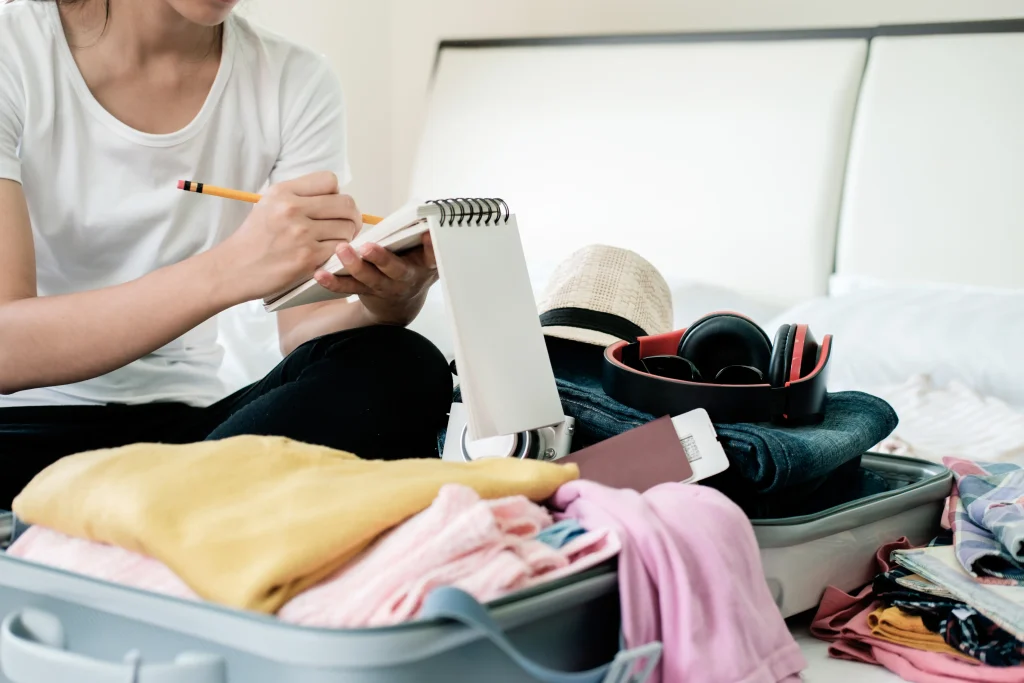
The first step to stress-free packing is preparation. Creating a packing list ensures you don’t forget anything important. Start by listing essentials such as clothing, toiletries, travel documents, electronics, and medications. Then, add destination-specific items like beachwear, hiking gear, or formal attire, depending on your trip. Using a checklist reduces last-minute panic and gives you a clear roadmap for packing.
2. Choose the Right Luggage
Selecting the right luggage is crucial. Consider the duration of your trip, your travel style, and the mode of transport. For short trips, a carry-on suitcase or a travel backpack is sufficient, while longer journeys may require larger checked luggage. Lightweight, durable luggage with multiple compartments helps keep your belongings organized and easily accessible. Wheels and adjustable handles make navigating airports or train stations much easier.
3. Roll, Don’t Fold
Folding clothes can create wrinkles and waste space. Rolling garments tightly not only maximizes suitcase space but also reduces creases. This technique works well for T-shirts, pants, and casual dresses. For delicate fabrics or formal wear, packing folders or garment bags may be better. Rolling is also helpful when packing accessories like scarves or belts, as they can be tucked into small spaces.
4. Use Packing Cubes
Packing cubes are small, lightweight organizers that divide your suitcase into sections. They allow you to separate clothing by type, outfit, or family member, making it easier to locate items quickly. Cubes also help compress clothing slightly, giving you extra space. Using color-coded cubes or labeling them can add an extra layer of organization, making your packing even more efficient.
5. Pack Smart and Light
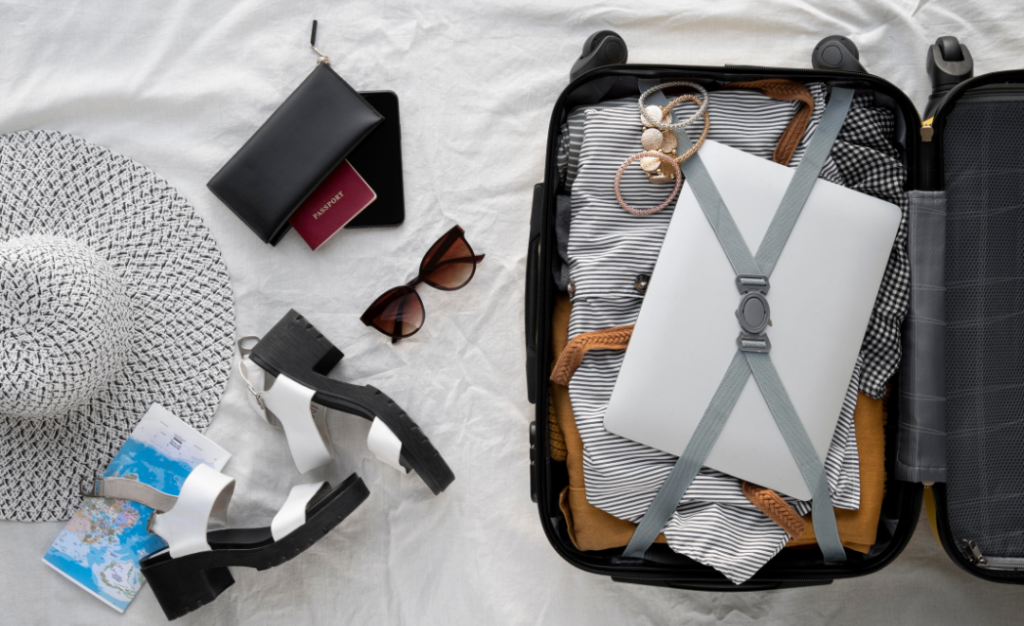
One of the biggest travel mistakes is overpacking. Stick to versatile clothing that can be mixed and matched, and choose layers instead of heavy items. Neutral colors often work best because they pair easily. For shoes, pack only what you’ll realistically need, and try to choose styles that can serve multiple purposes. Remember, most destinations have shops, so you can always purchase items if needed.
6. Keep Essentials Accessible
Certain items should always be easily accessible during travel. These include your passport, tickets, wallet, phone, medications, and any important documents. Consider using a small travel pouch or crossbody bag to keep these items within reach. When flying, remember to keep liquids in a clear, resealable bag for airport security. Having essentials at hand reduces stress during check-ins and transfers.
7. Consider Travel-Sized Toiletries
Bulk toiletries can take up significant space in your luggage. Travel-sized bottles or reusable containers are a smart alternative. Pack only the amount you’ll need for the trip, and remember that some items may be available at your destination. To prevent spills, use leak-proof bottles and secure caps with tape or wrap in plastic wrap.
8. Prepare for Emergencies
Even with careful planning, emergencies can happen. Pack a small first-aid kit with band-aids, pain relievers, and any prescription medications. Include a spare charger for your electronics and copies of important documents. Being prepared for minor mishaps ensures you won’t be stressed if something unexpected occurs.
9. Plan Your Packing Order
Pack heavier items like shoes and toiletries at the bottom of your suitcase and lighter items like clothing on top. Use gaps to store small accessories, socks, or underwear. Keep fragile items protected by placing them in the center of your bag. Organizing by weight and fragility prevents damage and keeps your suitcase balanced.
10. Review and Revise
Before closing your suitcase, review your packing list and ensure you haven’t forgotten anything. Double-check that you’ve packed essential travel documents and that your luggage meets airline size and weight restrictions. Revising your packing list for future trips based on what you actually used helps make your next journey even smoother.
Packing doesn’t have to be a stressful experience. By planning ahead, organizing efficiently, and packing smartly, you can make the start of your journey as enjoyable as the trip itself. With these tips, your travel experience can begin with excitement rather than anxiety, allowing you to focus on making memories instead of worrying about what you forgot.
About the Author
